
Technical Compliance and Quality Standards
La norme NF C 16-600
At KAHUI, every project is carried out in strict compliance with current standards. Discover what goes on behind the scenes: the procedures, certifications, quality controls, and technical conformities that guarantee the excellence of our services.
For a technical service provider to establish itself as a trusted partner with major industrial and service sector clients, mastery of technical compliance and quality standards is essential. This is the legal and commercial passport that validates the entire chain: from studies to maintenance.
Here is an overview of the regulatory and normative requirements to be met for each of your sectors:
1.Electricity (Medium Voltage and Electrotechnics)
In West Africa (ECOWAS/WAEMU zone), regulations are largely based on international standards (IEC) and French standards (NF).
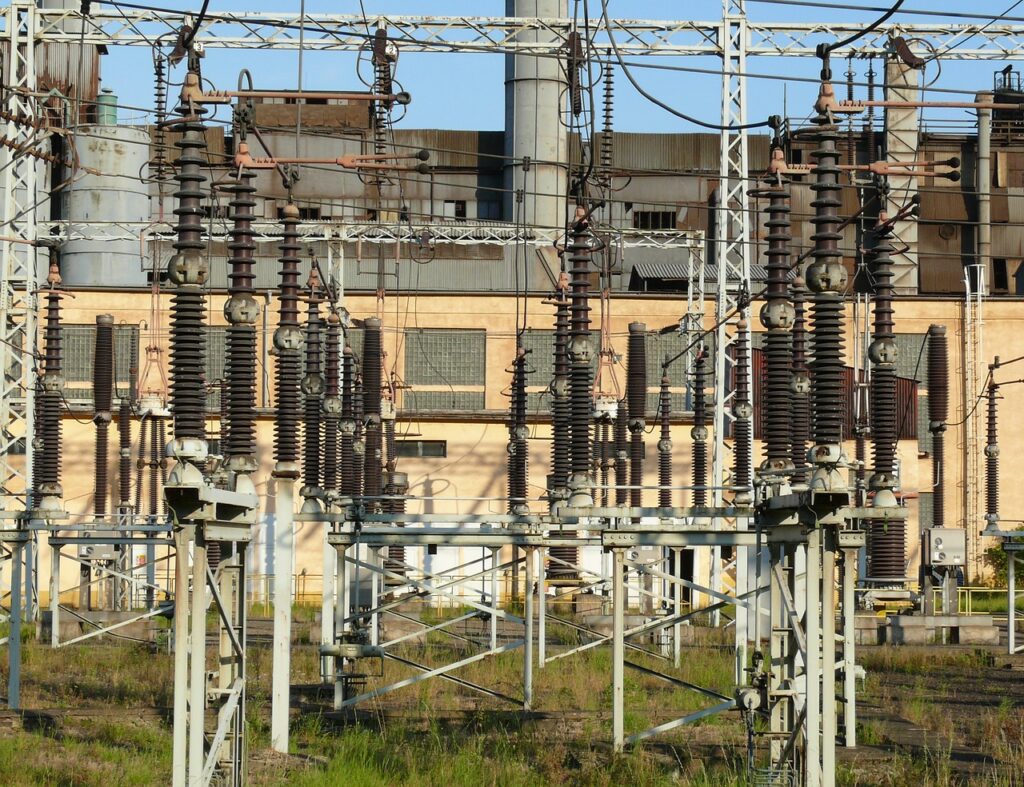
NF C 13-100 and NF C 13-200 (Medium Voltage): Essential standards for the design, construction, and operation of High Voltage A (HV/Medium Voltage) substations and power distribution installations. They govern site safety, cell interlocks, and earthing systems.
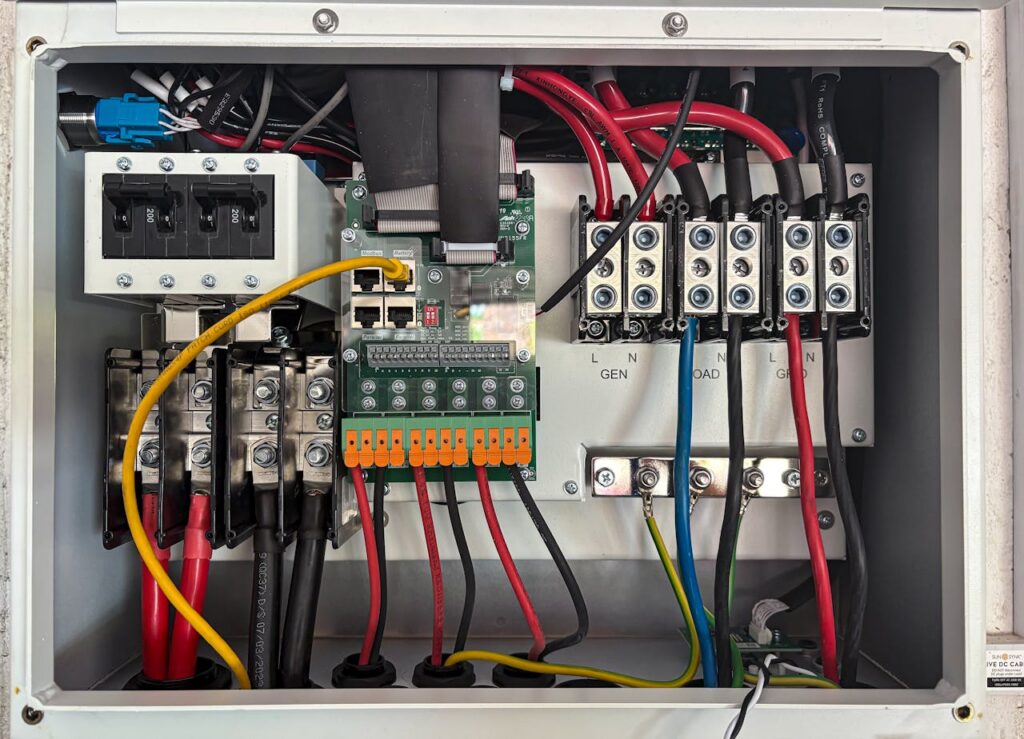
NF C 15-100 / IEC 60364 (Low Voltage): The electrician’s bible for industrial cabinets, main distribution boards, and commercial installations. It sets out the rules for calculating cable cross-sections, selecting circuit breakers, and providing personal protection (residual current devices).
IEC 61439: International standard specific to the design of low-voltage switchgear assemblies (electrical cabinets). It defines the requirements for cabinet manufacturers (short-circuit resistance, heat dissipation, protection ratings).
2. Automation and Machine Safety
Industrial automation must guarantee process continuity while also protecting operators working on production lines.
IEC 61131: International standard governing programmable logic controllers (PLCs) and defining standardized programming languages (Grafcet/SFC, Ladder Logic/LD, Structured Text/ST).
ISO 13849-1 / IEC 62061 (Functional Safety): These standards define the required performance levels (PL – Performance Level or SIL – Safety Integrity Level) for safety circuits (emergency stops, light curtains, safety relays).
IEC 60204-1: Safety of machinery – Electrical equipment of machines. It sets the rules for the internal wiring of machine control cabinets and the conductor colors (e.g., light blue for neutral, red for AC control, blue for DC control).
3. Industrial Pneumatics
Compressed air management involves constraints related to mechanical pressure and air purity.
ISO 8573-1 (Compressed air quality): This is the fundamental standard that classifies compressed air according to its particle, water (dew point), and oil content. For example, a food packaging or precision instrumentation process will require a much stricter air class than a simple mechanical workshop.
ISO 1219-1 and 1219-2: Standardization of graphic symbols for hydraulic and pneumatic transmission diagrams.
Pressure Equipment Directive (PED): Strict regulations concerning compressed air tanks, requiring periodic inspections, calibrated and certified safety valves, and pressure testing.
4. Solar Powered Generator Sets
Standalone or backup power sources must meet industrial performance and grid injection criteria.
ISO 8528 (Generating sets): This international standard defines the application criteria, performance, and classification of generating sets (continuous power COP, main power PRP, standby power ESP). It also governs noise and pollutant emissions.
IEC 62446 (Photovoltaic systems): International standard describing the minimum requirements for documentation, commissioning tests, and inspection of grid-connected solar photovoltaic systems.
IEC 61724: Performance of photovoltaic systems – Guidelines for monitoring and data analysis.
Grid coupling standards: Depending on the country, compliance with the local energy distributor’s requirements for injecting or not feeding back solar power into the public grid (decoupling protection).
5. Quality and Enterprise Management Standards (ISO)
For a service provider or technical contractor, displaying ISO certifications is a powerful selling point for securing contracts with major accounts or multinational corporations.
ISO 9001 (Quality Management): This certification demonstrates that your company has implemented rigorous processes to satisfy its customers, from order placement to final delivery, including supplier monitoring and non-conformity management.
ISO 45001 (Occupational Health and Safety): Crucial in the electrical and industrial sectors. It demonstrates that you have mastered occupational risks on your worksites (electrical lockout/tagout, use of PPE, working at heights).
Ingress Protection (IP) and Impact Resistance (IK): Example: An enclosure installed outdoors in West Africa must generally have a minimum IP55 rating (protection against dust and water jets) and good resistance to UV radiation and impacts (IK08 or higher).
High Voltage Regulations (1 KV – 50 KV AC)
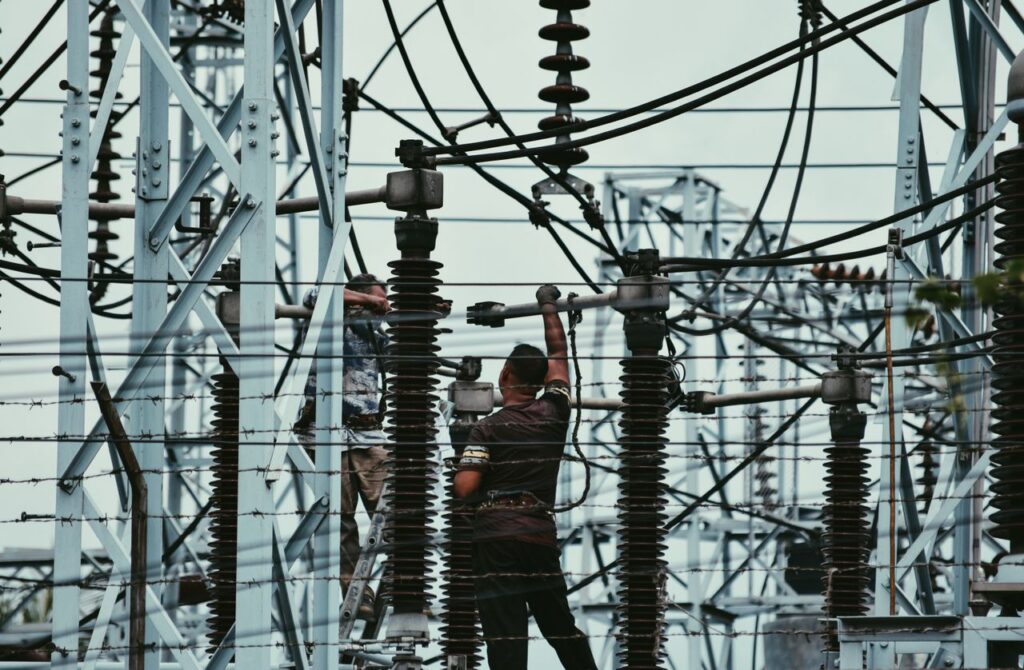
In the electrical field, working on Medium Voltage installations (regulatory designation High Voltage A or MV, for voltages between 1,000 V and 50,000 V alternating current) requires absolute precision.
The risk of arc flash at a distance (without direct contact) necessitates obtaining specific electrical authorizations, governed by the reference standard NF C 18-510.
Authorization is the employer’s recognition of a worker’s ability to perform their tasks safely. All symbols dedicated to Medium/High Voltage begin with the letter H.
Structure of an MV Authorization Symbol
An authorization title generally consists of two main characters, sometimes supplemented by an additional letter:
1st character (The voltage range): H (High Voltage, which includes Medium Voltage MV).
2nd character (The role / Type of operation):
0: Non-electrician personnel.
1: Electrician (works under the supervision of a foreman).
2: Site Supervisor (manages the worksite and the team).
C: Lockout/Tagout Supervisor (secures the installation).
E: Specific Operations (Testing, Measurements, Verifications, Switching).
Additional (Optional) Letter: V (Proximity, authorizing work in the reinforced proximity zone for high voltage).
The different levels of authorization in Medium Voltage
Non-electricians: H0 / H0V
These authorizations are for personnel who do not perform electrical work but who must access or move about in areas reserved for electricians (such as an MV/LV substation).
H0 (Worker or Site Supervisor): Allows non-electrical work (painting, masonry, cleaning) to be carried out in a high-voltage room, provided that the safety distances from live exposed parts are maintained.
H0V: Allows the supervision or execution of non-electrical work within the reinforced proximity zone.
Electrical Workers: H1 / H1V
H1: The operator may perform electrical work (connections, cable pulling, equipment installation) with the power off or outside the proximity zone, under the supervision of a Work Supervisor (H2).
H1V: Identical to H1, but authorizes the worker to work within the reinforced proximity zone of live exposed high-voltage parts.
Site Supervisors: H2 / H2V
H2: The Work Supervisor. This is the electrical site manager. He organizes the work, supervises his team, receives the lockout/tagout certificate, and issues work commencement authorizations.
H2V: Identical to H2, with authorization to direct and carry out electrical work in the reinforced live proximity zone.
H2V Testing: Specific attribute allowing for functional testing or fault finding on MV equipment at the end of a project.
The safety specialist: HC (Lockout/Tagout Supervisor)
HC: This is a crucial role in Medium Voltage. The lockout/tagout supervisor is the only person authorized to perform the electrical lockout/tagout of an MV switchgear or transformer. He isolates the network, locks out the equipment (lockout/tagout), performs the Voltage Absence Verification (VAT) and the Grounding and Short-Circuiting (MALT-CC). He then prepares and submits the lockout/tagout certificate to the work supervisor (H2). Specific Operations: HE
This category includes personnel performing highly targeted tasks:
HE Switching: For operating personnel (often not originally electricians) responsible for performing simple switching operations such as resetting, switching the power source (e.g., switching from the grid to the generator via the MV switchgear), or configuring the grid.
HE Measurement / HE Verification: For technicians or inspectors who perform measurements of electrical quantities (current, voltage, insulation) or compliance inspections in the MV environment.
Mandatory Personal Protective Equipment (PPE) in MV
Working in Medium Voltage with a valid authorization requires the strict use of specific PPE that complies with standards for protection against electric shocks and arc flashes:
Insulating helmet with integrated arc flash face shield.
Insulating gloves appropriate for the operating voltage (e.g., Class 1 for 7.5 kV, Class 2 for 17 kV, or Class 3 for 26.5 kV).
Flame-resistant and antistatic work clothes (covering, without conductive metal parts).
Insulating safety shoes (or use of an insulating mat or insulating stools during operations).
A voltage absence tester (VAT) specifically designed for high voltage, mounted on a telescopic insulating pole that has undergone regulatory testing.
Important reminder: Electrical authorization is granted for a generally recommended period of 3 years (1 year maximum for live work). It requires theoretical and practical training followed by a medical fitness assessment.
Low Voltage Regulations (50 V – 1000 V AC)
In Low Voltage (LV, which covers voltages from 50 V to 1000 V alternating current), the regulatory framework remains defined by standard NF C 18-510.
Even though the voltages are lower than in Medium Voltage, the risks of electric shock, electrocution, and short circuits (burns from electric arcs) remain very high, particularly when working on industrial cabinets, main LV switchboards, or automated systems. Authorization symbols in Low Voltage begin with the letter B.
Structure of an LV Authorization Symbol
An LV authorization title consists of two main characters, supplemented if necessary by a letter or a specific attribute:
1st character (The voltage range): B (Low Voltage and Extra Low Voltage).
2nd character (The role / Type of operation):
0: Non-electrician personnel.
1: Electrician (works under the supervision of a manager).
2: Site Supervisor (manages the worksite and the team).
C: Lockout/Tagout Supervisor (secures the installation).
R: General Intervention Supervisor (troubleshooting, maintenance).
S: Basic Intervention Supervisor (simple replacement, connection).
E: Specific Operations (Testing, Measurements, Verifications, Switching).
The different levels of authorization in Low Voltage
Non-electricians: B0 / B0VB0: This applies to personnel who perform non-electrical work (painting, cleaning, masonry) in areas reserved for electricians, or to non-electrician site supervisors. B0V: Allows non-electrical work to be carried out in the simple proximity zone of live exposed parts (while maintaining safety distances).
Site electricians: B1/B1V and B2/B2V. These authorizations apply to construction, modification, or extension work on installations (e.g., wiring a new industrial line).
B1/B1V (Electrician): The operator performs electrical work (installation of cable trays, connections, pulling) under the orders of a site supervisor. The “V” authorizes them to work in the reinforced low-voltage proximity zone (within 30 cm of live exposed parts).
B2/B2V (Site Supervisor): This is the electrical site manager. They supervise the workers (B1), ensure the safety of the area, receive the lockout/tagout certificate, and give the order to begin work.
The troubleshooting and maintenance specialist: BRC is one of the most common and comprehensive qualifications for maintenance technicians in automation and electrical engineering. BR (General Intervention Technician): They work alone or with a technician (B1) under their supervision.
The BR is authorized to perform diagnostics, troubleshooting, live measurements, and connections/disconnections. They are authorized to perform their own lockout/tagout procedures (for themselves or for the technician assisting them) in order to replace a faulty component (e.g., a contactor, a circuit breaker, or a PLC).
The basic operations electrician: BSBS (Basic Intervention Technician): This qualification is for replacing simple components with identical ones (a fuse, a light bulb, a power outlet) or for connecting simple equipment to a spare circuit (e.g., connecting a small single-phase motor or a pump). They cannot supervise a technician. The Safety Specialist: BC (Lockout/Tagout Officer): Just like the HC (High Voltage) in medium voltage systems, the BC is the designated person to permanently de-energize and secure a low voltage installation on behalf of a third party. They perform the steps of isolation, lockout/tagout (locking), identification, and Voltage Absence Verification (VAT) before issuing a lockout/tagout certificate to a work supervisor (B2).
Specific Operations: BEBE Switching: For operating personnel performing switching operations, resetting circuit breakers, or switching transfer switches. BE Measurement / BE Verification / BE Testing: For technicians performing conformity checks, electrical quantity measurements, or performance tests on electrical panels.
Personal Protective Equipment (PPE) in Low Voltage (LV) Systems
Working in Low Voltage systems, particularly during live diagnostics (BR) or voltage absence verification (VAT), requires the following PPE: Arc-resistant face shield (visor): Mandatory to protect the face from molten metal splashes in the event of a direct short circuit. Insulating gloves: Generally Class 00 (up to 500 V) or Class 0 (up to 1000 V), worn with cotton liner gloves for perspiration and sometimes leather overgloves for mechanical protection. Insulating mat or stool: To isolate oneself from earth potential when working in a main LV switchboard. 1000 V insulated tools: Screwdrivers, pliers, and wrenches certified to IEC 60900 to prevent creating a conductive bridge between two phases. Voltage Absence Verifier (VAT): An essential tool This procedure verifies that the power has been de-energized before touching a bare conductor. Standard multimeters are prohibited for this specific operation. Validity period: As with medium voltage, the low voltage (LV) authorization is issued by the employer after training and a medical examination, and its renewal (refresher course) is generally required every 3 years.
Note:
Electrocution: The victim has suffered an electric shock and survived, whether unharmed or with serious injuries (burns, cardiac sequelae).
Electrocution: This is an electric shock that has resulted in death. Electrocution is therefore a fatal outcome of an electric shock.
Le grand livre de l’électricité

01
Ohm’s Law Explained Simply
Ohm’s Law is one of the fundamental principles of electricity and electrical engineering. It establishes the mathematical relationship between the three main physical quantities in a direct current (DC) circuit (or in a purely resistive alternating current (AC) circuit): voltage, current, and resistance. The Fundamental Formula: Ohm’s Law is expressed by the following formula: U = R × I. Meaning of the components: U: Voltage (expressed in Volts, V). This is the difference in electrical potential between two points in a circuit. It can be compared to the “pressure” that pushes electrons. I: Current (expressed in Amperes, A). This is the rate of electric current flow, that is, the quantity of charge (electrons) that flows through the conductor per unit of time. R: Resistance (expressed in Ohms, Ω). This is the ability of a material to oppose the flow of electric current. The higher the resistance, the more it slows down the electrons. The Three Variations of Ohm’s Law: Depending on the variable you need to calculate, the formula is very simply modified using Ohm’s triangle: Quantity sought Formula Practical use Voltage (U) U = R × I Determine the voltage drop across a component. Current (I) I = RU Know the current flowing through a load to calibrate a protective device (fuse, circuit breaker). Resistance (R) R = IU Calculate the value of a resistance needed to limit the current in a circuit.

02
electrical compliance
In the electrical field, compliance involves adhering to a set of standards, laws, and technical guidelines to ensure the safety of people and the proper functioning of installations. These requirements vary depending on the sector (residential, industrial, high or low voltage). Here is an overview of the main pillars of electrical compliance: 1. Main Technical Standards (Reference Standards) Installations must be designed and built according to strict standards. In France and many French-speaking countries (particularly in West Africa), the major references are: NF C 15-100: The reference standard for Low Voltage (LV) installations. It governs residential, commercial, and industrial applications. It mandates the minimum number of sockets, the calibration of circuit breakers, the mandatory presence of residual current devices, etc. NF C 13-100 and NF C 13-200: These standards govern High Voltage (HV/HV) installations, including delivery substations, transformers, and power distribution networks. IEC (International Electrotechnical Commission): International standards (such as IEC 60364) often serve as a common basis for equipment manufacturing and the harmonization of regulations. 2. Essential Safety Components: For an installation to be declared compliant, it must incorporate several levels of protection: Grounding: Mandatory to divert leakage currents to the ground and prevent electrocution in case of insulation faults. Residual current devices (RCDs): These instantly cut off the current when they detect a leak (generally 30 mA for personal protection). Thermal-magnetic circuit breakers: These protect cables and equipment against overloads (too many connected devices) and short circuits. 3. Equipment Conformity (Marking): The equipment used (cables, circuit breakers, cabinets, switchgear) must have official certifications proving that it has been laboratory tested: CE marking (mandatory in Europe). Specific quality certifications such as the NF mark or national/regional conformity labels. 4. Inspections and Certifications (Consuel / Inspection Bodies) Compliance is not presumed, it must be proven: In residential buildings (new construction or complete renovation): An independent body (such as Consuel in France, or LBTP/Securitel depending on the country) must inspect the installation to issue a certificate of conformity. Without this document, the energy supplier refuses to commission the service (connection to the grid). In professional and industrial settings: Initial inspections, followed by annual periodic checks, are mandated by the Labor Code to guarantee worker safety against electrical hazards. 5. Personnel Authorization Compliance concerns not only equipment, but also personnel. Anyone working on or near an electrical installation must possess appropriate electrical authorization (e.g., B1V, B2V, BR, H1V, etc.), certifying that they have received the necessary training to manage the risks associated with their level of intervention (Low or High Voltage).
01
Ohm’s Law Explained Simply
Ohm’s Law is one of the fundamental principles of electricity and electrical engineering. It establishes the mathematical relationship between the three main physical quantities in a direct current (DC) circuit (or in a purely resistive alternating current (AC) circuit): voltage, current, and resistance. The Fundamental Formula: Ohm’s Law is expressed by the following formula: U = R × I. Meaning of the components: U: Voltage (expressed in Volts, V). This is the difference in electrical potential between two points in a circuit. It can be compared to the “pressure” that pushes electrons. I: Current (expressed in Amperes, A). This is the rate of electric current flow, that is, the quantity of charge (electrons) that flows through the conductor per unit of time. R: Resistance (expressed in Ohms, Ω). This is the ability of a material to oppose the flow of electric current. The higher the resistance, the more it slows down the electrons. The Three Variations of Ohm’s Law: Depending on the variable you need to calculate, the formula is very simply modified using Ohm’s triangle: Quantity sought Formula Practical use Voltage (U) U = R × I Determine the voltage drop across a component. Current (I) I = RU Know the current flowing through a load to calibrate a protective device (fuse, circuit breaker). Resistance (R) R = IU Calculate the value of a resistance needed to limit the current in a circuit.
02
electrical compliance
In the electrical field, compliance involves adhering to a set of standards, laws, and technical guidelines to ensure the safety of people and the proper functioning of installations. These requirements vary depending on the sector (residential, industrial, high or low voltage). Here is an overview of the main pillars of electrical compliance: 1. Main Technical Standards (Reference Standards) Installations must be designed and built according to strict standards. In France and many French-speaking countries (particularly in West Africa), the major references are: NF C 15-100: The reference standard for Low Voltage (LV) installations. It governs residential, commercial, and industrial applications. It mandates the minimum number of sockets, the calibration of circuit breakers, the mandatory presence of residual current devices, etc. NF C 13-100 and NF C 13-200: These standards govern High Voltage (HV/HV) installations, including delivery substations, transformers, and power distribution networks. IEC (International Electrotechnical Commission): International standards (such as IEC 60364) often serve as a common basis for equipment manufacturing and the harmonization of regulations. 2. Essential Safety Components: For an installation to be declared compliant, it must incorporate several levels of protection: Grounding: Mandatory to divert leakage currents to the ground and prevent electrocution in case of insulation faults. Residual current devices (RCDs): These instantly cut off the current when they detect a leak (generally 30 mA for personal protection). Thermal-magnetic circuit breakers: These protect cables and equipment against overloads (too many connected devices) and short circuits. 3. Equipment Conformity (Marking): The equipment used (cables, circuit breakers, cabinets, switchgear) must have official certifications proving that it has been laboratory tested: CE marking (mandatory in Europe). Specific quality certifications such as the NF mark or national/regional conformity labels. 4. Inspections and Certifications (Consuel / Inspection Bodies) Compliance is not presumed, it must be proven: In residential buildings (new construction or complete renovation): An independent body (such as Consuel in France, or LBTP/Securitel depending on the country) must inspect the installation to issue a certificate of conformity. Without this document, the energy supplier refuses to commission the service (connection to the grid). In professional and industrial settings: Initial inspections, followed by annual periodic checks, are mandated by the Labor Code to guarantee worker safety against electrical hazards. 5. Personnel Authorization Compliance concerns not only equipment, but also personnel. Anyone working on or near an electrical installation must possess appropriate electrical authorization (e.g., B1V, B2V, BR, H1V, etc.), certifying that they have received the necessary training to manage the risks associated with their level of intervention (Low or High Voltage).